
Cockatiel downsides to know before you buy
Cockatiels are gentle, but they live 15 to 20 years or more, call loudly in the morning and evening, shed fine feather dust that can bother allergies, and need time out of the cage every day. If that fits your home, they make calm, affectionate birds.
Cockatiel vs budgie
| Cockatiel | Budgie | |
|---|---|---|
| Lifespan | 15 to 20+ years | 5 to 10 years |
| Noise | Loud calls and whistles | Softer, steady chatter |
| Feather dust | A lot | Little |
| Cage | At least 60 cm long and tall | At least 50 cm long |
| Talking | Better at whistling tunes | Can learn more words |
Tip. A light water spray or a shallow bath a few times a week helps keep feather dust down.
Your cockatiel thrashes around the cage at night. What is it?
Cockatiels startle in the dark and flap wildly. A small night light near the cage helps. Check for injured feathers the next morning.
What helps
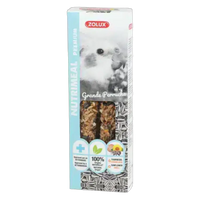
See all BirdsPicked for this question. Each card says what it is for.


People also ask
More detail
The cockatiel looks charming at first sight, doesn’t it? A calm face, a crest that moves as if it reads his mood by itself, and a soft voice that inspires affection. But behind this lovable appearance there are very important details that could completely change your buying decision 🤔
If you’re thinking of getting a cockatiel, the matter doesn’t stop at beauty or fame. There are health, behavioral, and environmental drawbacks you should know before the bird enters your home. Some of these drawbacks are simple and manageable, and some can become a real problem if you’re not prepared for it from the start.
In this article you’ll learn the top cockatiel drawbacks, with a clear and direct explanation, so you know whether this bird truly suits you or not.
Table of Contents
- 1.📖 Is the Cockatiel Easy?
- 2.🔍 Long Lifespan Commitment
- 3.❌ Housing & Environment
- 4.❌ Noise & Behavior Issues
- 5.🔍 Daily Time & Interaction
- 6.❌ Feather Plucking & Eggs
- 7.❌ Diet, Obesity & Disease
- 8.🔍 Specialized Vet Care
- 9.📊 Comparison: Does It Fit?
- 10.⚠️ Warning Signs to Watch
- 11.✅ How to Reduce Drawbacks
- 12.❓ Real Common Questions
Is the Cockatiel as Easy as People Think? 🛡
The short answer: not always.
It’s true that the cockatiel is classified among beginner-friendly birds, and it’s social, smart, and emotional, but that doesn’t mean it’s a “low-responsibility” bird. It needs time, attention, a controlled diet, a safe environment, enough sleep, and daily interaction. If you neglect these aspects, problems start appearing quickly: screaming, feather plucking, stress, obesity, or even more serious diseases.
1) His Long Lifespan Means a Very Long Commitment
One of the first drawbacks you should keep in mind is that a cockatiel can live 15 to 25 years with good care. This is not a bird you buy for a short period then forget. It is a long commitment that may accompany you through years of changing homes, jobs, studies, and even family circumstances.
This long life is beautiful if you’re ready, but it can become a burden if you’re looking for a “temporary” pet. Many people buy a cockatiel enthusiastically, then later discover the responsibility is bigger than they expected.
The takeaway here: before buying, honestly ask yourself: can you provide care throughout all these years?
2) Feather Dust May Bother You More Than You Expect
The cockatiel produces fine dust from its powder-down feathers, and this is one of its most famous drawbacks. You may not see it clearly, but it’s in the air and on surfaces, and it increases with movement, cleaning, and flapping.
If someone in the house suffers from asthma or allergies, this is a point that must not be ignored. Some families are surprised after buying to find that sneezing, itching, or shortness of breath has become more noticeable. The cause isn’t just “poor cleanliness,” but the bird’s own nature.
The cockatiel is not among the most “air-clean” birds indoors, so it needs good ventilation and regular cleaning, and sometimes a HEPA filter if allergies exist.
3) His Respiratory System Is Very Sensitive to Household Fumes
This is one of the most dangerous cockatiel drawbacks, and probably the most underestimated. The bird is highly sensitive to fumes from non-stick cookware, especially when heated. The material PTFE can release fumes lethal to birds within minutes.
And it doesn’t stop there. Scented candles, sprays, air fresheners, strong cleaners, smoke, and household pesticides can all harm it quickly. Sometimes you smell nothing bothersome, while the bird is severely affected because its respiratory system is far more delicate than a human’s.
If your kitchen is active, or you use lots of fragranced products, or you love cooking with non-stick pans, having a cockatiel at home requires a real rearrangement of the environment.
An important rule: what seems to you like an “ordinary smell” can be a major danger to the cockatiel.
4) Screaming and Contact Calls Can Be Annoying
The cockatiel is not a silent bird. It makes flock contact calls, whistling, and sounds that can be pleasant at times and annoying at others. And if it feels lonely, bored, or scared, the sound can turn into repeated screaming.
The problem is that some people interpret this screaming as “stubbornness,” while it is usually a clear message:
I need interaction, or I feel anxious, or I didn’t sleep well, or I want attention.
If you’re someone who loves total quiet, or you have small children who sleep early, this point deserves consideration. The cockatiel is quieter than many large parrots, but it is not a silent bird.
5) He Needs Daily Time Out of the Cage
One of the important practical drawbacks is that the cockatiel needs time out of the cage and daily interaction. It’s not enough to put food and water in and close the door. This bird loves movement, exploring, sitting with humans, playing, and climbing.
If it stays locked up for long periods, behavioral problems start appearing: boredom, stress, screaming, or feather plucking. The cockatiel is a flock bird by nature, so it feels safe when it’s part of family life.
Do you have real daily time for it?
If your answer is “no,” that’s a sign you should stop at before buying.
6) Feather Plucking Is One of the Most Disturbing Problems
Feather plucking is not just an annoying behavior; it can be a sign of a health or psychological problem. Sometimes the cause is boredom, stress, or sleep deprivation. And sometimes the cause is an organic disease like giardia, liver problems, malnutrition, or exposure to toxins.
The problem is that the owner may think the bird is just “acting strangely,” while the truth is that its body or psyche is asking for help.
If you notice your cockatiel plucking its feathers, this is not a moment to ignore. You need a specialized veterinary exam, because treatment depends on the real cause, not just the external appearance.
7) Females Are Prone to Chronic Egg-Laying and Egg Binding
This is a very important point before buying a female cockatiel. Females may lay unfertilized eggs repeatedly even without a male. This behavior may seem normal at first, but it depletes calcium and minerals from the bird’s body.
Over time a more serious problem may appear: egg binding, an emergency condition in which the female cannot expel the egg. Here we’re not talking about simple fatigue, but a condition that can be life-threatening if not treated quickly.
Prevention is very important: reducing hormonal triggers, removing nesting spots like tents and huts, and reducing long daylight hours.
If you don’t know how to deal with this point, buying a female requires extra awareness.
8) Wrong Feeding Creates Hidden Problems
Many people think the cockatiel lives on seeds alone, because that’s what it loves. Yes, it’s fond of seeds, but relying on them alone is a big mistake. An all-seed diet can lead to vitamin A deficiency, calcium and vitamin D imbalance, obesity, and fatty liver.
The problem here is clever and a bit deceptive: the bird may look full and active, but it’s actually suffering from hidden malnutrition. In other words, it’s fat on the outside but deficient on the inside.
The best approach is for pellets to be the base, with measured vegetables and fruits, and seeds only as limited treats.
If you like “feeding it only what it loves,” that’s a habit that may harm it more than help it.
9) Obesity in Cockatiels Is Not a Sign of Health
A cockatiel can easily become obese if fatty seeds are plentiful and movement is limited. That’s when a chain of problems begins: fatty liver, breathing difficulty, heart problems, and reproductive disorders.
Some birds look plump with beautiful feathers, and the owner assumes they’re fine. But the truth is that obesity in birds is not like “healthy plumpness” in humans. It’s usually a sign of a diet or activity imbalance.
If you notice the bird moving little, tiring quickly, or breathing uncomfortably, these are not small details. They may be the start of a bigger problem.
10) Parasitic and Bacterial Diseases Are Not Rare
Among the important health drawbacks is that a cockatiel can be exposed to diseases such as giardia, which causes diarrhea, weight loss, and poor nutrient absorption. Psittacosis is also an important bacterial disease because it can be transmitted to humans and cause flu-like symptoms.
This means cleanliness is not a luxury. Cleaning the cage, changing water daily, isolating the bird when sick, and consulting a vet when any abnormal sign appears are all essential matters.
If you keep the bird indoors with children or elderly people, this point becomes even more important.
11) Little Sleep Opens the Door to Behavioral Problems
The cockatiel needs 10 to 12 hours of sleep in a quiet, dark place. If the house is lit at night, or the TV runs until late, or there’s constant movement and noise, the bird may become stressed and start annoying behaviors.
Sleep deprivation may show up as:
In other words, a bird that doesn’t sleep well is like a phone running on a nearly empty battery. It seems present, but it’s not at its best.
12) Aggression Is Usually Defensive, Not a “Bad Temper”
If your cockatiel bites you, don’t rush to describe it as vicious. In many cases, biting is a fear reaction, stress, or pain. The bird may bite because it’s scared, or because you approached too fast, or because the environment around it is disturbing.
Punishment doesn’t help here; it only increases fear. The best approach is calm approaching, speaking in a low voice, letting it step onto your hand willingly, and rewarding calm behavior.
But pay attention: if aggression appears suddenly, rule out pain or illness first. Sometimes behavior is the first signal that something uncomfortable is going on inside its body.
13) It Doesn’t Suit Noisy or Chaotic Homes
The cockatiel likes relative routine. If the house is noisy, or has constant commotion, or children who don’t know how to approach the bird, it can become stressed quickly.
Loud sounds, sudden movements, constantly changing the cage’s location, or leaving it in a crowded place can all disturb it.
It is not a bird that “adapts to anything” as easily as some people think.
If your home is full of movement all day, think carefully: will you be able to provide a quiet, safe space for it?
14) A Small Cage Creates Problems Quickly
Among the drawbacks many people don’t notice is that a cockatiel needs a suitable cage, not just any cage. A small cage causes confinement, boredom, weak movement, and can contribute to feather plucking and stress.
A good cage must allow it to spread its wings, climb, and stand comfortably, with perches of different diameters. It should also be away from the kitchen, drafts, and crowded areas.
The cage is not just a “small house”; it’s a living space. And if the space is cramped, problems will appear faster than you expect.
15) It Makes More Mess Than You Imagine
The cockatiel is a beautiful bird, but it’s not tidy like a decorative piece. It scatters seeds, drops feathers, leaves droppings frequently, and may shred paper, cardboard, or wood.
This means having it at home requires almost daily cleaning.
If you’re someone who hates small recurring messes, this point may tire you.
The bird itself isn’t necessarily “annoying,” but its lifestyle indoors imposes a different cleaning and organizing system on you.
16) It Needs Specialized Veterinary Follow-Up
The cockatiel is not one of those birds whose problems can be handled by intuition alone. Many of its diseases don’t show clearly at first, because birds generally hide illness until it worsens.
So it needs a vet who understands birds, not just a general practitioner. Periodic check-ups, weight monitoring, fecal exams, and attention to breathing are all important matters.
The cost may also be higher than some expect, especially if problems appear such as:
17) Not Suitable for Those Who Want a “Look-Only” Bird
Some people buy a cockatiel because it’s beautiful, famous, or “cute in videos.” But reality is a little different. This bird needs interaction, attention, routine, and patience.
If you want a bird that sits silently in the cage all day, you may feel the cockatiel asks more of you than you expected. It’s not silent decor; it’s a social creature that loves participation.
Here’s the real question: do you want a bird for display only, or a living companion that needs your daily presence?
📊 Quick Comparison: Is the Cockatiel Really Right for You?
Other Symptoms and Notes That Must Not Be Ignored
There are signs that, if they appear on the cockatiel, deserve quick attention:
- ⚠️ Open-beak breathing: may indicate a respiratory problem needing urgent examination.
- ⚠️ Tail bobbing with breathing: an abnormal sign, especially if repeated.
- ⚠️ Sitting at the bottom of the cage: may mean weakness, illness, or egg binding.
- ⚠️ Feathers fluffed for hours: not always cold; sometimes it’s a sign of illness.
- ⚠️ Loss of appetite or sudden silence: birds don’t usually “act spoiled”; they hide fatigue.
- ⚠️ Diarrhea or changed droppings color: needs monitoring, especially if accompanied by lethargy.
- ⚠️ Limping or weak grip on the perch: may be pain or a foot problem.
If you see any of these signs, don’t wait long. Birds are masters at hiding illness, which makes early intervention very important.
How to Reduce These Drawbacks If You Decide to Buy?
If you’re still thinking of getting a cockatiel, there are things that help you reduce problems from the start:
- ▫️ Provide a spacious cage and a quiet spot away from the kitchen.
- ▫️ Keep the diet balanced, and don’t rely on seeds alone.
- ▫️ Give it daily time out of the cage.
- ▫️ Make sure it sleeps in darkness and quiet.
- ▫️ Avoid scented candles, PTFE cookware, and strong sprays.
- ▫️ Watch its behavior, because small changes can be the first sign of a problem.
- ▫️ Don’t punish it for biting or screaming; instead, look for the cause.
- ▫️ Consult a vet specialized in birds at any concerning sign.
These are not luxuries. This is the rule that makes living with it possible and comfortable.
The cockatiel is a beautiful, intelligent, and social bird, but it’s not without a price.
Its drawbacks are not in its looks, but in its delicate needs: feather dust, sensitivity to fumes, screaming, the need for interaction, feeding problems, and chronic egg-laying in females.
If you’re ready to provide time, environment, and care, it can be a wonderful companion for many years. But if you’re looking for an “extremely easy” bird that doesn’t ask for much, it’s better to reconsider before buying.
The decision here is like choosing a small partner for daily life: yes it’s sweet, but it needs understanding, patience, and a safe space 🛡
Common Questions
Quick Quiz Before Buying 🤔
1️⃣ Can you provide 10–12 hours of quiet sleep for it daily?
2️⃣ Is your home free of Teflon fumes and strong fragrances?
3️⃣ Do you have daily time for interaction and out-of-cage time?
4️⃣ Are you prepared for feather dust and repeated noise?
5️⃣ Does your budget allow specialized veterinary care?
If most of your answers are “yes,” you’re closer to a successful decision.
But if there are many “no”s, it’s better to postpone the purchase until the environment becomes more suitable.